Scleroderma or systemic sclerosis is a rare connective tissue disorder with complex pathogenesis. Scleroderma can be divided in localized scleroderma primarily affecting the skin and subcutaneous tissue, whereas systemic sclerosis is associated with systemic manifestations and involvement of multiple organ systems, including kidney, lung, heart, gastrointestinal tract and more.

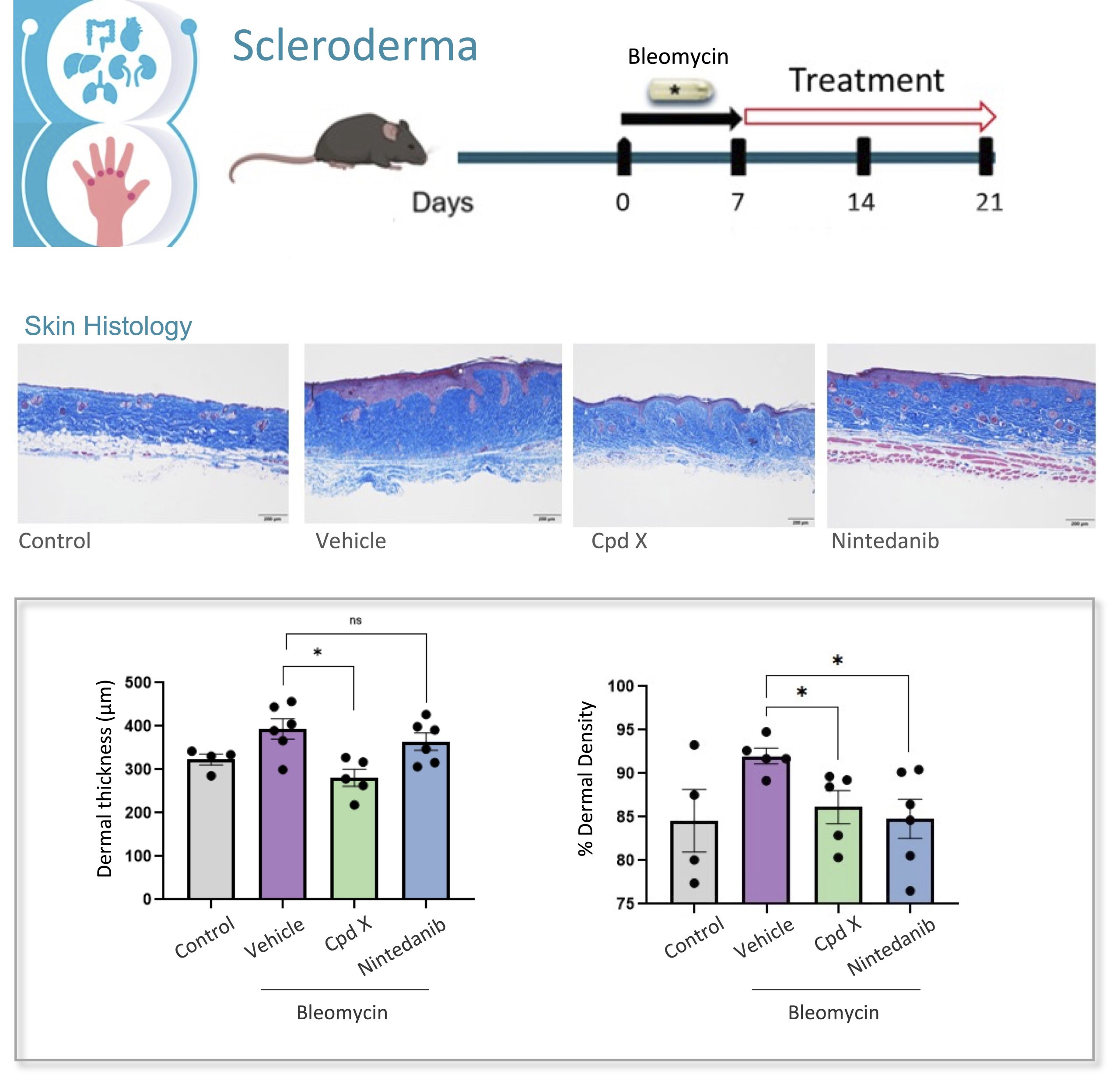
To support the development of antifibrotic therapies that will be effective in the treatment of scleroderma we have developed and standardized the bleomycin induced scleroderma animal model,  that reproduces the pathology manifestations and is widely use in preclinical research.

The scleroderma model induced by mini osmotic pump released bleomycin  integrates comprehensive histopathological and molecular readouts of fibrosis and inflammation, providing a well-established and highly translational in vivo preclinical platform for evaluating novel therapeutics targeting fibrosis.
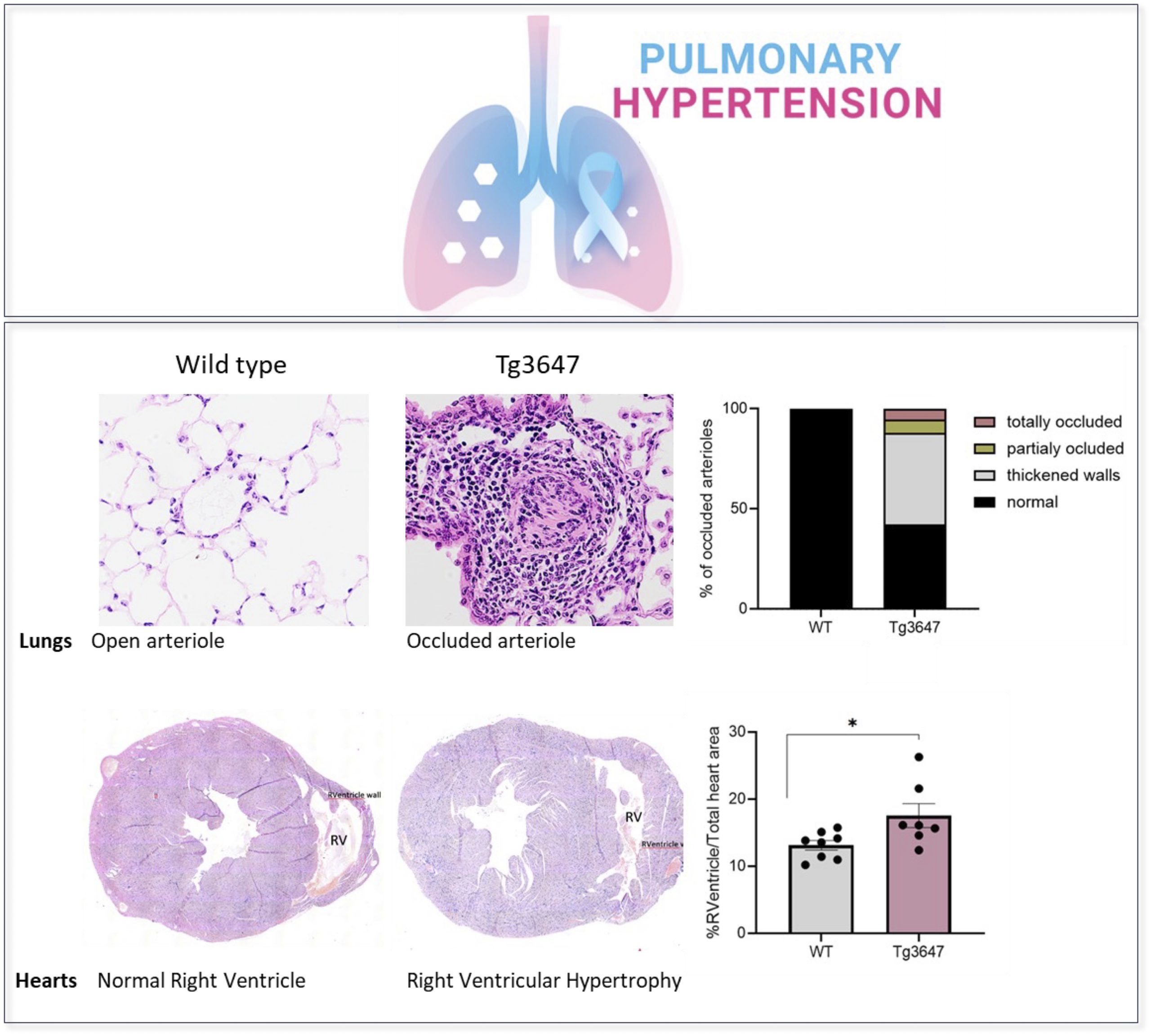
 

𝗣𝘂𝗹𝗺𝗼𝗻𝗮𝗿𝘆 𝗔𝗿𝘁𝗲𝗿𝗶𝗮𝗹 𝗛𝘆𝗽𝗲𝗿𝘁𝗲𝗻𝘀𝗶𝗼𝗻 (𝗣𝗔𝗛) is a serious condition where the blood vessels in the lungs become narrowed, blocked or damaged. This restricts blood flow and places additional burden on the heart,. Over time, this increased workload can weaken the heart, leading to declining respiratory and cardiovascular function, significantly impacting the quality of life and, in severe cases, can be life-threatening.

The 𝗧𝗴𝟯𝟲𝟰𝟳 𝗵𝘂𝗺𝗮𝗻 𝗧𝗡𝗙 𝘁𝗿𝗮𝗻𝘀𝗴𝗲𝗻𝗶𝗰 𝗺𝗼𝘂𝘀𝗲 𝗺𝗼𝗱𝗲𝗹, carries a human TNF transgene with modified 3ʹ‐UTR rendering posttranscriptional regulation inactive. It was originally developed for arthritis research, but apart from inflammatory  polyarthritis, Tg3647 mice  develop progressive interstitial lung pathology with pathological findings of arteriole occlusion and right ventricular hypertrophy closely mirroring the human condition of Pulmonary Arterial Hypertension (PAH).

Therefore the Tg3647 mouse model can be identified as a suitable model to support better understanding of mechanisms underlying arthritis related cardiopulmonary pathologies and the development of therapeutics targeting these pathologies.


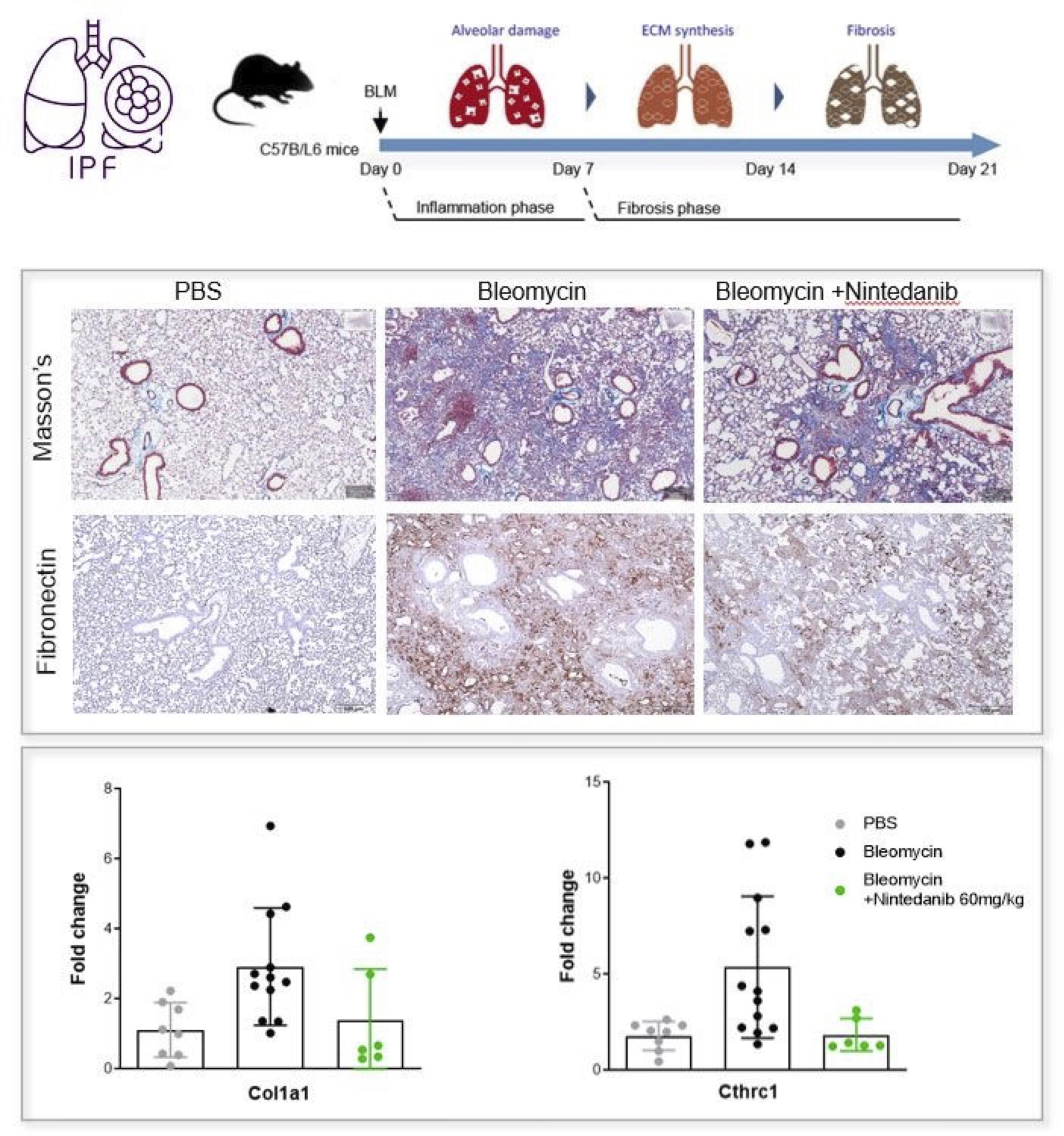
🫁 Idiopathic Pulmonary Fibrosis (IPF) remains one of the most devastating chronic lung diseases, driven by complex dysregulated pathways involving multiple cell types, including macrophages, fibroblasts, and epithelial cells. Characterized by progressive lung inflammation and scarring, IPF continues to present significant challenges for patients due to limited therapeutic options.

💊Advancing effective anti-fibrotic therapies requires reliable and translational preclinical models that can accurately capture disease biology and support robust efficacy evaluation before clinical development.

The bleomycin-induced IPF mouse model developed in Biomedcode integrates comprehensive histopathological and molecular readouts of fibrosis and inflammation, providing a well-established and highly translational in vivo preclinical platform for evaluating novel therapeutics targeting fibrosis.
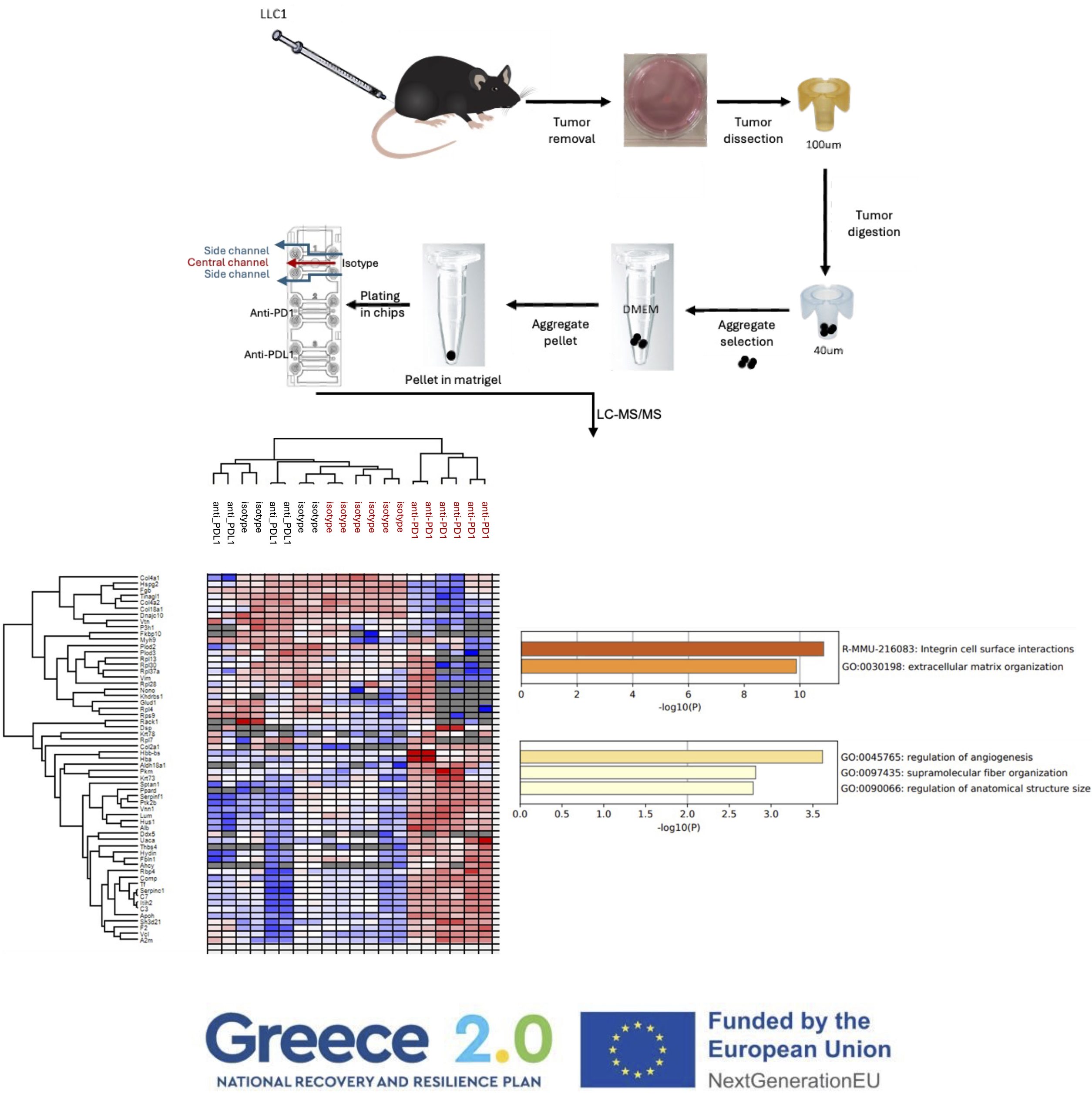
 

Walking on the side of researchers striving to establish an assay for the prediction of  the response of human lung cancer patients to cancer immunotherapy, we have established a 3D microfluidic tumour microculture system that involves the seeding of LLC (Lewis Lung Cancer) syngeneic mouse tumour aggregates in the central hydrogel channel of an Aim Microfluidic Chip  and the injection of anti-PD1 or anti-PDL1 antibodies in the two  flanking side channels.

Proteomics analysis  proteomics of the untreated vs anti-PD1 treated tumour samples revealed the signature of the response to treatment (A). Metascape analysis of increased  (B) or decreased ( C) protein expression after anti-PD1 treatment revealed the biological pathways involved.

With this data we have the proof of concept to support that a similar humanized PDL1/PD1 system can be used for screening the responses of human patients to anti-human PD1 therapeutics.

This work was performed under the European funded program “Next Generation EU” Greece 2.0, https://greece20.gov.gr/en/) BioOnChip, “Development of a Bronchoscopic Biopsies-On-Chip platform for immunotherapy drug screening in non-small cell lung cancer” that aimed to explore the applicability of an innovative 3D microfluidic microculture in predicting real-time responses to PD1-blockade in NSCLC patients, that, if efficient, might have important socioeconomic impact.

Read More

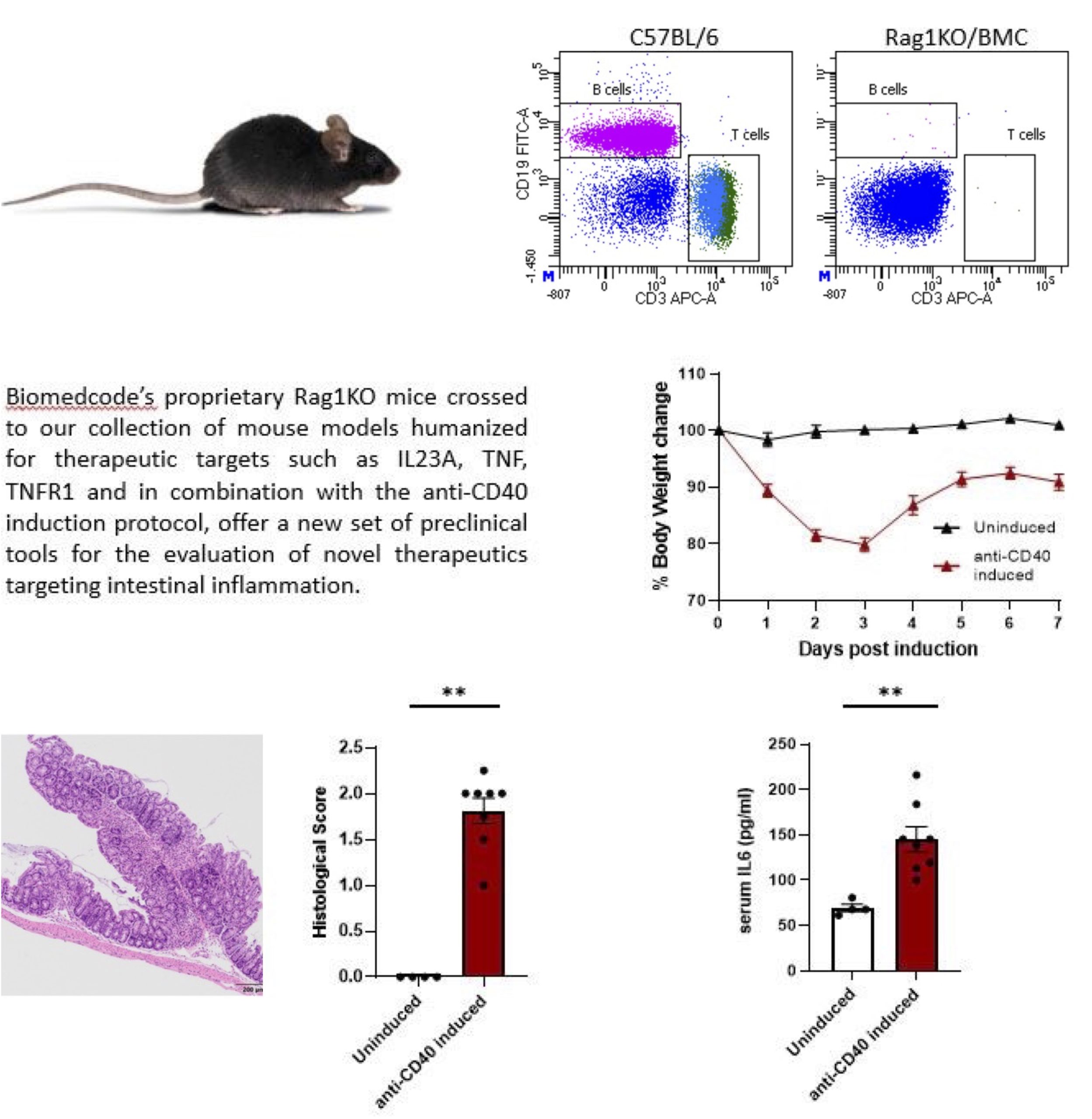
We are excited to introduce a new addition to our collection of genetically modified mice used in human disease modelling. We have now developed and characterized a proprietary Rag1KO/BMC mouse line that either alone or in combination with our collection of proprietary mouse lines allows us to offer a new series of anti-CD40 colitis mouse models that can serve as invaluable preclinical tools to better understand and treat the pathogenic mechanisms involved in the development and progression of Inflammatory Bowel Disease (IBD).

💉 The anti-CD40 model of colitis is a valuable model to study innate immune responses in colon inflammation and to evaluate the therapeutic effect of TNF, IFNγ or IL-12/IL-23 p40 inhibition 💊

What is the anti-CD40 induced colitis model?
Activation of CD40 by an agonistic anti-CD40 antibody in mice lacking T and B cells, as the Rag1 or Rag2 knockout mice, leads to the activation of innate immune responses, the excessive production of IL-23, IL-1β and IL-12 and the development of inflammation in the colon.
The anti-CD40 induced colitis pathology is characterized by body weight loss, increased levels of circulating cytokines, reduced colon length and increased colon weight,  accompanied by relevant histopathological signs of gut inflammation and extensive crypt destruction.


Read More

Biomedcode is in search  of a motivated Research and Business Manager to join the team and lead strategic initiatives focused on drug discovery projects. S/he will focus on identifying and pursuing grant funding and investment opportunities, managing intellectual property (IP) portfolios and liaising with potential stakeholders. The ideal candidate will lead initiatives to generate and engage with business partners to exploit the company’s IP portfolio. Critical thinking and a demonstrated ability to execute a particular IP exploitation strategy, identify partnerships and financing opportunities in the life sciences industry  as well as develop and manage IP commercialization strategies are required.

Read More

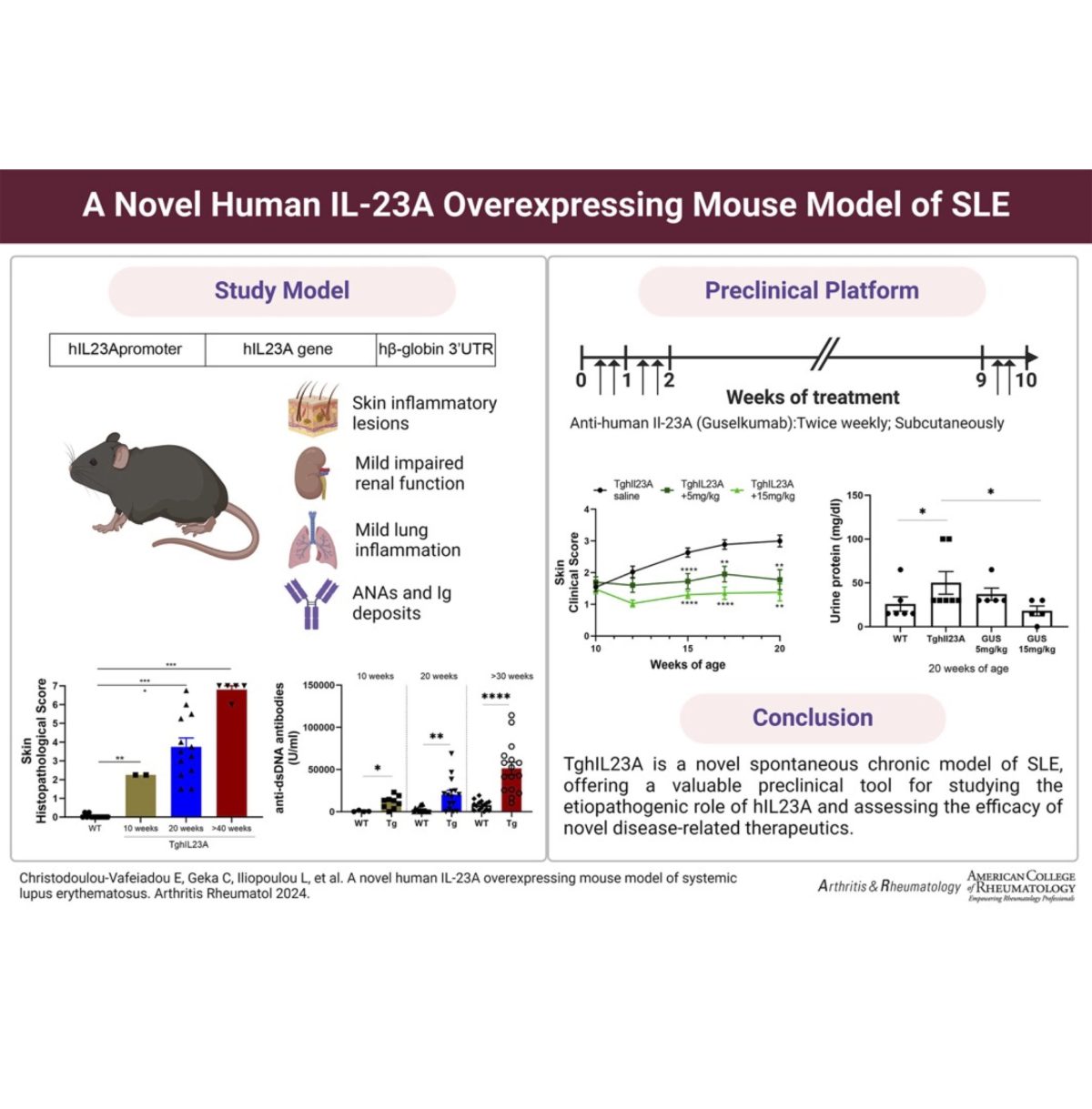
This newest addition in our collection of humanized mouse disease models integrates characteristics of the human Systemic Lupus Erythematosus complexity and develops a chronic multiorgan autoimmune disease marked by proteinuria, anti-dsDNA antibodies, severe inflammatory lesions in the skin and milder pathologies in the kidneys and lungs.

This novel model of lupus can prove to be an invaluable translational tool for studying the aetiopathogenic role of the IL23 cytokine in SLE and for use as a preclinical tool to assess the efficacy of novel  lupus  therapeutics.

Published in Arthritis Rheumatol. 2024 Feb 15. doi: 10.1002/art.42830.

Read More